Roof Cleaning in Richmond: What Every Owner Should Know
A home’s roof is its first line of defense against the elements, yet it is often the most neglected surface until visible problems emerge. In Richmond, property owners face a unique combination of environmental factors that make routine exterior upkeep essential. From the dense tree canopies across historic neighborhoods to the heavy humidity driven by the James River basin, local roofs endure significant biological stress. Understanding the correct methods for roof cleaning protects not only the structural integrity of your home but also its curb appeal, energy efficiency, and insurance standing.
As exterior maintenance practices have evolved in 2026, the distinction between aggressive, damaging methods and safe, chemical-based treatments has become a major focal point for homeowners. Many property owners mistakenly believe that any buildup on shingles can be blasted away using high pressure. In reality, modern property preservation requires a scientific approach that pairs surface safety with lasting eradication of invasive organisms.
Why Roof Cleaning Matters for Richmond Properties
Richmond’s climate is classified as humid subtropical, characterized by hot, muggy summers and cool, damp winters. These atmospheric conditions create an ideal breeding ground for airborne spores, organic particulates, and micro-vegetation. The dark stains visible on many local roofs are not merely dirt or soot; they are living colonies of cyanobacteria known as Gloeocapsa magma. This organism develops a dark, pigmented outer sheath to shield itself from ultraviolet radiation, which produces the prominent black streaks across north-facing and shaded slopes.
Left unchecked, these bacterial colonies establish a foothold for more aggressive growth, including moss, lichen, and fungi. Moss acts like a sponge, retaining moisture directly against the roof substrate. In freezing temperatures, this trapped moisture expands, causing shingles to lift, curl, and crack. Lichen, which forms a symbiotic bond between algae and fungus, anchors its micro-roots directly into the shingle’s asphalt and limestone composition. Attempting to detach lichen through mechanical scraping or aggressive force inevitably tears away the protective mineral granules that shield the asphalt from sun damage.
Furthermore, local insurance underwriting has shifted dramatically. Underwriters frequently utilize aerial drone inspections and high-resolution satellite imagery to assess exterior roof conditions before renewing policies. A roof covered in visible algae, moss, or accumulated biological debris can trigger mandatory remediation notices or even policy cancellations. Routine maintenance ensures that your home remains fully insurable while eliminating the risk of premature shingle decay.
Soft Washing vs. Pressure Washing: What Is Safe for Your Roof?
One of the most critical decisions a homeowner must make is choosing the proper cleaning method. Traditional power washing and high-pressure techniques have an indispensable place in exterior property care, but they should never be applied directly to asphalt shingles, slate, or cedar shakes.
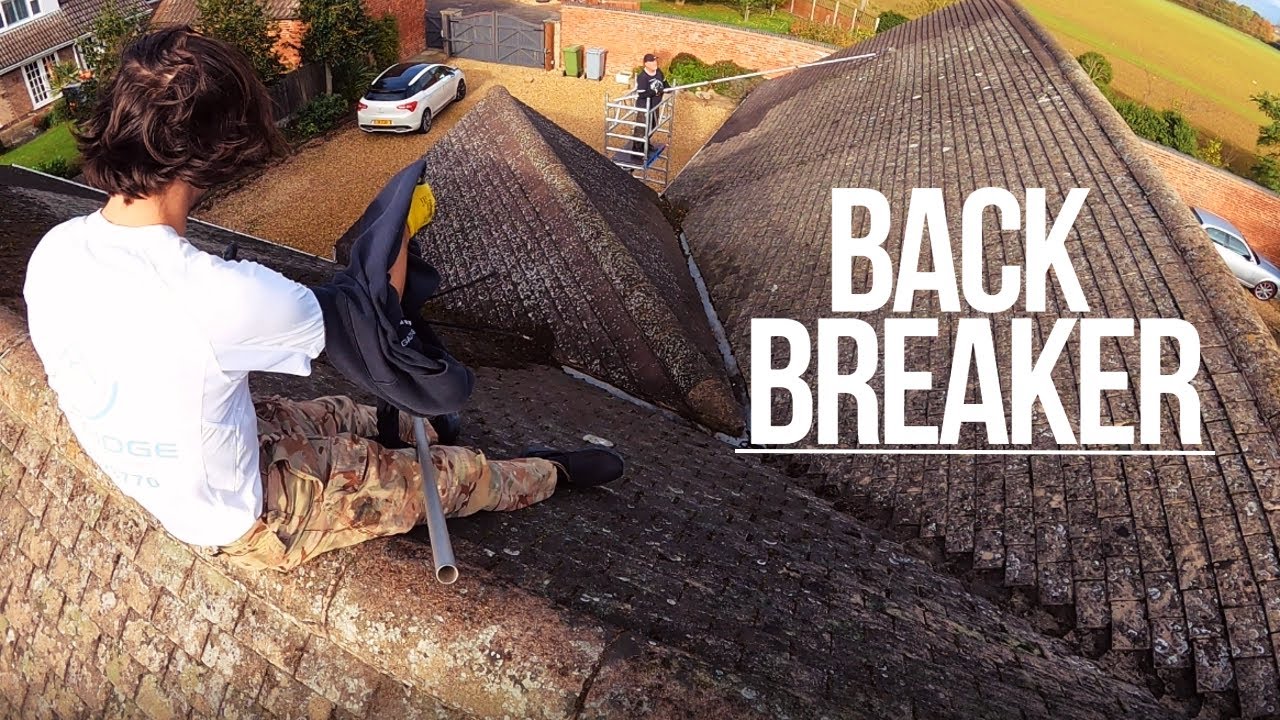
High-pressure water acts as an abrasive force. When directed at an asphalt shingle, high pressure strips away the ceramic-coated granules that provide fire resistance, UV deflection, and structural weight. Once these granules are dislodged, the underlying asphalt dries out, develops micro-fissures, and degrades rapidly under the sun. High pressure can also drive water backward underneath the shingle https://pressurecleaningrichmond.com.au/driveway-cleaning/ overlaps, soaking the underlayment, compromising the roof deck, and initiating mold growth in the attic space.
The industry standard approved by the Asphalt Roofing Manufacturers Association (ARMA) is known as soft washing. This low-pressure technique relies on specialized, biodegradable chemical formulations applied at a pressure similar to that of a garden hose. The cleaning solution penetrates deep into the root structures of algae, lichen, and moss, sanitizing the surface rather than merely shearing off the top layer. Once the biological growth is neutralized at the root level, it naturally detaches and rinses away during subsequent rainstorms, leaving the manufacturer’s warranty intact and the roof structure undamaged.
Coordinating Roof Care with Total Property Maintenance
A pristine roof can quickly make the rest of a property look weathered by comparison, which is why exterior cleaning is increasingly approached as a unified maintenance strategy. When biological runoff washes down from the eaves during heavy rain, it introduces spores to the surfaces below, accelerating discoloration on siding, masonry, and flatwork.
Homeowners often pair roof treatments with professional house washing to treat vertical siding surfaces, soffits, and fascia boards. Soft washing techniques are equally beneficial for vinyl, fiber cement, and painted wood siding, safely clearing away mildew and pollen without forcing water behind wall cavities. Once the vertical structures are sanitized, attention naturally shifts to ground-level surfaces where structural durability allows for higher-pressure mechanical cleaning.
Flat horizontal surfaces—such as concrete walkways, aggregate patios, and vehicle staging areas—benefit directly from targeted pressure washing. Applying high volume and controlled pressure through dedicated surface cleaners revitalizes heavily soiled concrete. When scheduling professional care, coordinating your roof restoration alongside seasonal driveway cleaning ensures that chemical runoff is thoroughly neutralized, gutters are cleared, and the entire property envelope is protected from top to bottom.
- Comprehensive Spore Eradication: Treating the roof, siding, and hardscapes simultaneously prevents cross-contamination and prolongs the results of each individual service.
- Landscape Preservation: Coordinated exterior cleaning projects ensure that vegetation pre-soaking, plant wash neutralizing agents, and controlled ground rinse routines are maintained throughout the process.
- Cost and Scheduling Efficiency: Bundling services reduces setup and labor overhead, providing a more economical maintenance plan than booking separate interventions across the season.
- Optimized Curb Appeal: Creating an even, uniform level of cleanliness across every architectural plane maximizes the visual and market value of the estate.
The Modern Professional Roof Cleaning Process
As the exterior cleaning industry has modernized, professional technicians operate using strict safety protocols, specialized equipment, and calculated chemical ratios. Understanding what a comprehensive service entails helps homeowners evaluate service proposals with confidence.
Pre-Treatment Property Assessment and Protection
Before any equipment is connected, a thorough inspection of the roofline, flashing, gutter drainage, and perimeter vegetation takes place. Downspouts are either bagged to collect concentrated runoff or diverted safely away from delicate landscaping, ornamental beds, and storm drains. Surrounding shrubbery and lawn areas are thoroughly saturated with fresh water before, during, and after chemical application. This saturation dilutes any minor chemical overspray and prevents plant root systems from absorbing the cleaning surfactant.
Application and Dwell Phase
Technicians use dedicated, low-pressure 12-volt or air-diaphragm pumping systems to apply the algaecidal solution. The chemistry typically consists of a precise blend of sodium hypochlorite, professional-grade surfactants, and water. The surfactant allows the solution to cling to steep pitches rather than immediately running off, allowing the active ingredients sufficient dwell time to eliminate the organic matter completely. Lichen colonies turn white as their cellular structure collapses, while black algae streaks vanish within minutes of application.
Post-Treatment Rinse and Neutralization
Depending on the specific roofing material and severity of growth, low-pressure rinsing is performed, or the remaining residue is allowed to break down naturally through weather exposure over the following weeks. Downspout collection bags are emptied safely according to local environmental regulations, and all surrounding vegetation is treated with a specialized neutralizing rinse that balances soil pH and feeds beneficial nutrients back to the foliage.
What Every Richmond Owner Should Verify Before Hiring
Because the barriers to entry in the power washing industry can be low, property owners must perform thorough due diligence. Allowing an untrained operator onto your roof with high-pressure equipment can lead to thousands of dollars in water damage, broken slate tiles, stripped shingles, and dead perimeter vegetation. Choosing an established contractor requires verifying credentials that reflect current industry best practices.
- Dedicated Soft Wash Capability: Verify that the company utilizes specialized low-pressure pumping systems rather than simply attaching a wide-angle tip to a high-pressure machine.
- Adequate Commercial Insurance: Confirm that the contractor carries active commercial general liability insurance, workers' compensation, and a specific "care, custody, and control" inland marine rider that covers damage to the roof surface being worked upon.
- Documented Environmental Protocols: Inquire about their plant and runoff management procedures, ensuring they use neutralizing solutions and downspout diversions to protect your property and Richmond's local watersheds.
- Warranty and Transparency: Reputable exterior cleaning specialists provide clear written agreements detailing the scope of work, expected clearance timelines for dead lichen or moss, and service guarantees against premature biological regrowth.
Looking Ahead: Long-Term Maintenance and Sustainability
Investing in professional exterior care yields substantial returns over the lifespan of a home. Removing dark biological streaks restores the thermal performance of your roof, allowing shingles to reflect solar heat as originally engineered. In Richmond’s humid summer climate, this reduces attic temperatures and lowers the strain placed on home cooling systems.
Routine roof maintenance should generally occur every three to five years, though properties located under heavy, mature tree canopies may require inspection on a more frequent cycle. As exterior cleaning technologies continue to refine toward more eco-conscious biological inhibitors moving into 2027 and beyond, proactive homeowners can keep their properties safe, beautiful, and resilient against whatever the climate delivers.
Richmond Pressure Cleaning
Unit 2/420 Church St, Richmond VIC 3121
ph. (03) 4231 7213